
A well-planned workout involves more than the exercises you perform during the main part of your session. Preparing your body before physical activity and allowing time to wind down afterward are also important parts of an organized fitness routine.
Warming up helps you transition from rest to exercise through gradual movement. It gives you an opportunity to practice the motions you will use during your workout and prepare for more demanding activity. Cooling down provides a gradual transition back to a resting state instead of ending an intense session abruptly.
Although these activities are sometimes overlooked, they can help make workouts feel more structured and comfortable. With a suitable exercise mat and accessories such as resistance bands, you can incorporate simple preparation and recovery movements into your routine. Active Lift Works offers fitness essentials that can complement these everyday exercise habits.
Understand the Purpose of a Warm-Up
A warm-up prepares you for the physical demands of your workout. Rather than immediately beginning with intense movements, you gradually increase your activity level through controlled exercises.
A good warm-up should reflect the type of workout you are about to perform. Someone preparing for a strength training session may choose different movements from someone getting ready for yoga or a brisk walk.
The goal is to begin with gentle activity and gradually move toward the intensity required for your main session.
Try Simple Dynamic Warm-Up Movements
Dynamic movements involve controlled motion rather than holding a stretch in one position for an extended period. They can help you prepare for activities that require a range of movement.
Arm Circles and Shoulder Rolls
Arm circles involve moving the arms in controlled circular patterns. Begin with smaller movements before gradually increasing the range if comfortable.
Shoulder rolls can also be included to prepare the upper body for exercises involving the shoulders and arms.
Marching in Place
Marching in place is a simple way to gradually increase activity. Lift your knees comfortably while moving your arms naturally.
You can increase the pace slightly as your body becomes accustomed to the movement.
Controlled Leg Swings
Leg swings involve moving one leg forward and backward while maintaining balance. Use a stable support if needed, and keep the movements controlled rather than forcing a large range.
Choose exercises that match your upcoming workout and current fitness level. A warm-up should prepare you for activity, not leave you exhausted before the main session begins.
Use Suitable Accessories During Preparation
Fitness accessories can add variety to certain warm-up activities.
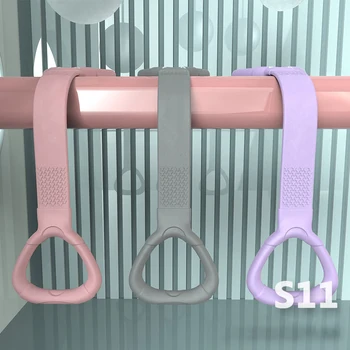
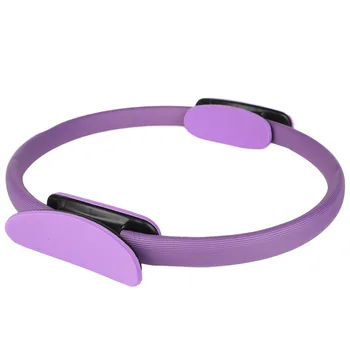
Resistance bands, for example, can be used for selected light movements involving the shoulders, hips, and legs. Choose a suitable resistance level and avoid stretching the band beyond its intended range.
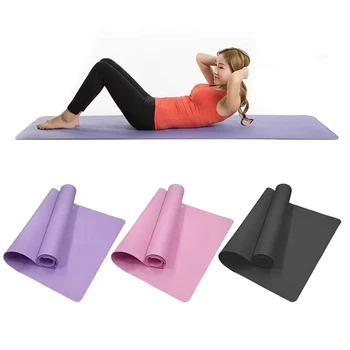
An exercise mat can provide a comfortable surface for floor-based preparation, including gentle mobility exercises and controlled stretching.
The equipment you choose should match the type of exercise you plan to perform. You do not need multiple accessories to complete an effective warm-up.
Give Yourself Time to Cool Down
After completing the main part of your workout, avoid stopping immediately if you have been exercising intensely. A gradual reduction in activity can help you transition toward your normal resting state.
For example, you might slow your pace during the final few minutes of a brisk walk or reduce the intensity of a cycling session before finishing.
Once your activity level has decreased, you can include comfortable stretching movements if appropriate.
Include Gentle Post-Workout Stretches
A gentle standing thigh stretch, calf stretch, or shoulder stretch can be included in a cool-down routine.
Move slowly and avoid forcing your body into uncomfortable positions. Stretching should feel controlled rather than painful.
You can use an exercise mat for seated or floor-based stretches. A resistance band may also assist with selected stretching movements when used according to its instructions.
Adjust Your Routine to Your Workout
Warm-ups and cool-downs do not need to look the same every day. Their movements and duration should reflect the type of activity you are performing.
A strength training session may require preparation for the specific muscle groups involved. A yoga session may begin with gentle mobility and breathing exercises, while a walking routine might start with an easy pace before gradually increasing speed.
The same principle applies to cooling down. Reduce your activity gradually and choose gentle movements that suit your workout.
Make Preparation and Recovery Consistent Habits
Warming up and cooling down are simple practices that can make your exercise sessions more organized. They encourage you to approach physical activity with greater attention to movement and preparation.
Start with manageable exercises, use appropriate equipment, and adjust your routine based on your fitness level. If you experience pain, dizziness, or unusual discomfort, stop exercising and seek appropriate guidance.
Browse Active Lift Works for exercise mats and accessories that can complement your warm-up, workout, and cool-down routines.




0 Comments